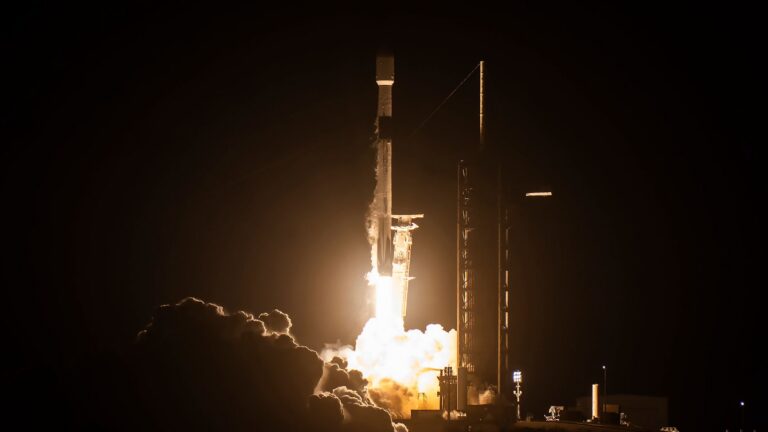
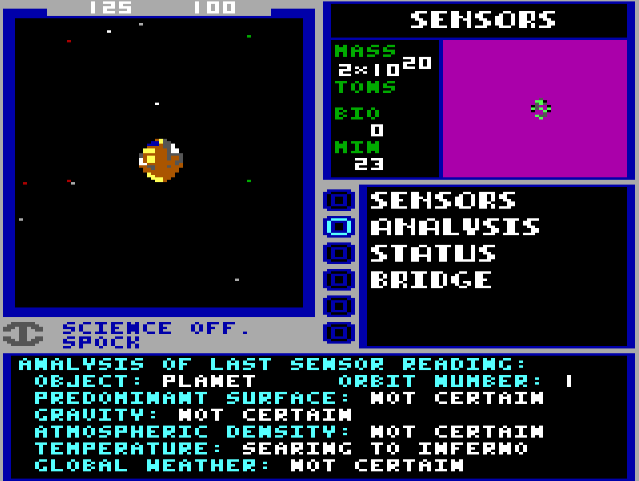
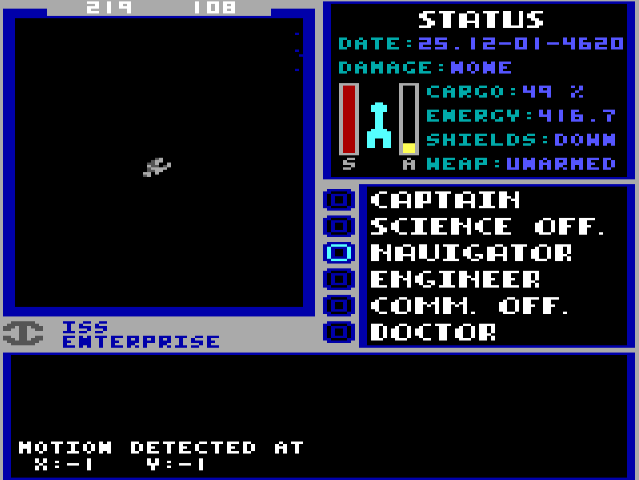
For PC gamers who grew up in the 80s, Starflight was a thing of awe and reverence. Packed into a pair of 360 KB floppy disks was an entire pocket universe, with hundreds of star systems and planets to explore, a half-dozen alien races to talk to or fight with, and a cleverly revealed plot holding the entire joyous package together. Starflight defined the genre of space exploration games, and among its direct spiritual successors are Star Control II (available in its modern open source incarnation as The Ur-Quan Masters) and the Mass Effect series.
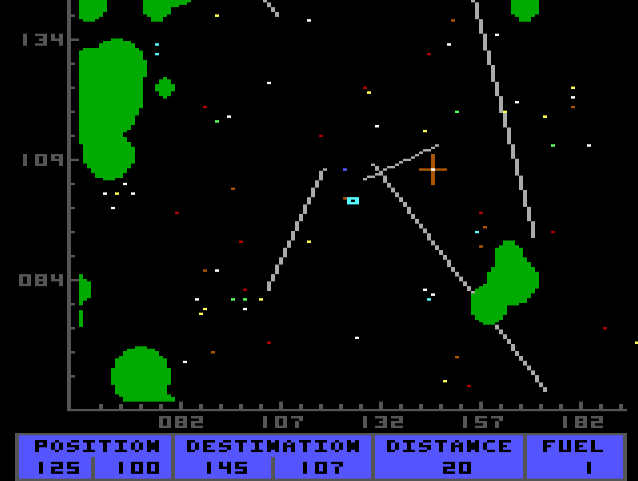
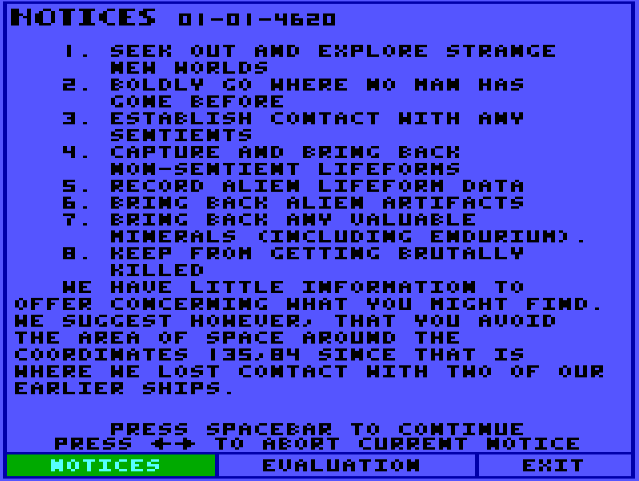
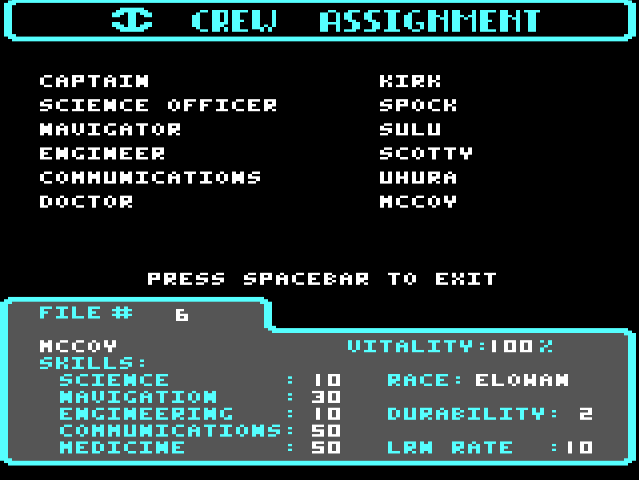
The player begins on a space station orbiting the human homeworld of “Arth” in the year 4620. The inhabitants of Arth, it is revealed, have uncovered a set of underground ruins on the planet containing the remains of a faster-than-light starship, with enough fuel and technical documentation to construct a small fleet of duplicate vessels. You have been selected to captain one of these ships, and your mission is simply to see what’s out there in the galaxy. Arth, whose inhabitants include not only humans but also members of three other alien races, has been isolated and without interstellar travel technology for hundreds of years, and records concerning the rest of the galaxy are outdated or missing. Your job is to poke your head out and see what has been going on over the past centuries.
As the player, you must gather and sell minerals to gain credits with which to upgrade your ship and train your crew; this artificial grind provides the structure for most of the early game. As you travel to nearby star systems, you’ll inevitably encounter aliens, some friendly, some not. Eventually, you’ll begin to pick up on the main plot of the game: a wave of solar flares is sweeping through the galaxy like the hand of some monstrous, horrible clock. You must find out why and then stop the flares, before the wave reaches Arth’s sun and your home is destroyed.

 Loading comments...