The US has been dramatically underestimating methane emissions from oil and gas operations, according to a new study published in Science on Thursday. The study, conducted by the Environmental Defense Fund and 15 partner universities, asserts that methane emissions from oil and gas production are likely 63 percent higher than what the Environmental Protection Agency has reported.
The discrepancy stems from the way methane is measured and monitored, the authors suggest. Methane leakages are measured at known intervals and at specific parts of equipment, without verification of the leak volume at the facility as a whole. This allows the industry to avoid counting any surprise leakage events, which the authors claim are more common than not.
The results are concerning because methane is a potent greenhouse gas that has more of a warming effect in the atmosphere than carbon dioxide, part for part. On the other hand, methane is shorter lived in the atmosphere than carbon dioxide, so restricting its escape can have positive short-term effects on warming.
This creates a difficult situation: methane is the main component of natural gas, and natural gas burns cleaner than coal and has largely contributed to coal’s demise. Though burning natural gas results in fewer pollutants released to the atmosphere, if the gas is released before it’s burned, the methane can be severely environmentally damaging. In addition, leaking natural gas is something of an economic waste, too: any amount of the colorless, odorless gas that escapes obviously can’t be sold. Though natural gas is cheap right now, fixing natural gas leaks can have monetary benefit over time.
New information
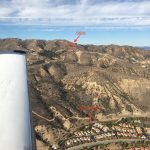
The authors conducted facility-specific measurements at more than 400 well pads and “scores” of midstream facilities with the cooperation of 50 oil and gas companies. They paired this data with aircraft observations of areas that contained about 30 percent of US natural gas production.

 Loading comments...