Update 2: NHTSA reached out to Ars to assure us that the V2V rule isn’t dead. “The Department of Transportation and NHTSA have not made any final decision on the proposed rulemaking concerning a V2V mandate. Any reports to the contrary are mistaken. In all events, DOT hopes to use the dedicated spectrum for transportation lifesaving technologies. Safety is the Department’s number one priority,” the agency told us.
Update: Ars reached out to NHTSA this morning, which told us that it has yet to make a final decision. “The vehicle-to-vehicle notice of proposed rulemaking was released in December 2016 for public feedback, and received over 460 comments. NHTSA is still reviewing and considering all comments submitted and other relevant new information to inform its next steps. An update on these actions will be provided when a decision is made as part of the Department’s ongoing regulatory review,” it told us in a written statement.
The Trump administration is notoriously unfriendly to red tape; one of its earliest actions in January was aimed at slashing the number of government regulations. According to an AP report on Wednesday morning, the vehicle-to-vehicle communications (V2V) mandate is among the deceased. This may not mark the death of V2V, but if true, it’s yet another nail in the coffin of the technology, which uses a dedicated band of radio spectrum for short-range alerts between vehicles.
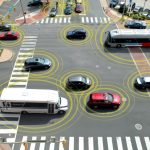
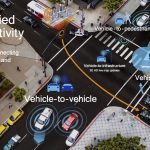
Hopes have long been pinned on V2V as a way to cut traffic fatalities, which have been on the rise the past two years. Long before self-driving car fever took hold, the benefits of V2V were being touted as just around the corner—literally. Cars would not need line-of-sight the way human drivers do, instead communicating with each other at ranges of up to 984 feet (300m) to warn each other of unseen hazards, as Sean Gallagher discovered at CES a few years ago.

 Loading comments...