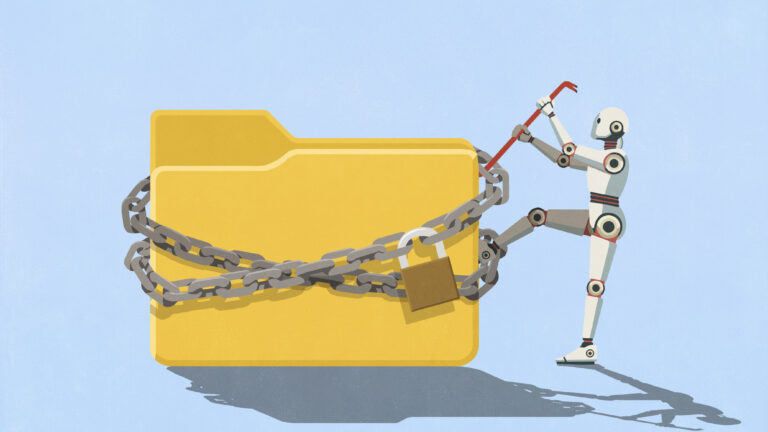
In this week’s edition of Science, eleven researchers from prominent universities around the US criticized the federal government’s justification for rolling back vehicle fuel economy standards. They wrote that the economic assumptions made in the government’s 2018 report resulted in a “flawed” analysis that will likely result in more traffic fatalities, more congestion, and more greenhouse gases emitted.
The Environmental Protection Agency (EPA) under Trump has moved to rescind a number of environmentally-minded regulations instituted under the Obama Administration. One of the first in its crosshairs was the EPA’s Greenhouse Gas (GHG) standards for light trucks and passenger vehicles, which paralleled the Corporate Average Fuel Economy (CAFE) standards from the National Highway Traffic Safety Administration (NHTSA). These two regulations (the GHG and CAFE rules) both aimed to force automakers to adhere to gradually-tightening fuel efficiency standards, which were detailed out to 2025.
The EPA under Administrator Scott Pruitt spent most of 2017 laying the groundwork to rescind the GHG rules, saying the rules were onerous for automakers. But it’s hard to rescind and replace existing law—agencies need to justify their decisions with robust studies showing that a rules change will improve the livelihood of Americans, whether in health or in jobs.
After Pruitt resigned amid investigations into his spending at the agency, former coal lobbyist Andrew Wheeler became acting administrator. Wheeler soon released an EPA report justifying a proposed rule to freeze fuel economy standards at 2020 levels.
The EPA’s lengthy technical analysis stated that better fuel economy rules would be costly for companies. Those costs would be passed on to consumers, and those consumers would put off buying new cars with better safety features, causing accidents that would cost more than 12,000 lives. The EPA also argued that if fuel economy standards are left in place, people will be able to spend less on gas, which means they would drive more, meaning greenhouse gas emissions and driving in general might not reduce as much as expected. This so-called “rebound effect” has been well-studied in scientific literature, but economists and public policy researchers are extremely skeptical of how the current administration has applied it.

 Loading comments...