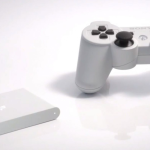
Remember microconsoles? Years before “the streaming era” that Sony now says is upon us, there was a period there where the conventional wisdom was that traditional consoles were dead and lower-priced microconsoles were the wave of the future.
In that time, upstarts like Ouya and established brands like Sony, Nvidia, Mad Catz, Apple, Amazon, and more jumped into the microconsole gaming market in one form or another.
Their bet was that there was an audience who wanted to play games on the TV but didn’t want to spend hundreds of dollars on a full-fledged console that was overkill for the large flood of indie games out there. But then tens of millions of people bought the PlayStation 4 and Xbox One (and later the Nintendo Switch) and the bottom largely fell out of the microconsole market (though no one has told Atari, apparently).
Yesterday marked a bit of an inflection point in the short and sordid history of the microconsole. First, Ouya owner Razer announced that it would finally be shutting down the system’s online game platform on June 25. The Ouya brand, and Razer’s “Forge TV” follow-up, have been on the equivalent of corporate life support since 2015, but the shutdown marks a distinct end point to a nearly seven-year saga that started with unprecedented crowdfunding excitement for Ouya’s bold microconsole idea.
Then, yesterday evening, a completely new and unexpected direction for microconsoles emerged seemingly out of nowhere. The portable, black-and-white, crank-controlled Playdate microconsole—aiming for a 2020 launch at $149—is decidedly not going to provide much competition for the kinds of gaming experiences you can get on a full-fledged console, a high-end gaming PC, or even your smartphone. And that’s why it might succeed where other microconsoles have failed.





 Loading comments...