This morning, our first Ars Unite 2015 feature took a look at how the rise of Twitch and other gaming livestream sites have changed the way that games are being developed. This afternoon, Culture Editor Sam Machkovech joined me for a livestreamed YouTube chat that veered more into the way Twitch and its ilk are affecting gaming culture.
This cultural change has extended to developers themselves, as Sam noted when discussing his visits to many game studios in the Seattle area. “I can’t tell you how many times I go to one of these offices and I see a third monitor on a developer’s’ desk devoted to Twitch,” he said. “I’ve seen that at Valve, I’ve seen that at Turn 10, I’ve seen that at 343 Industries. Game developers have just taken to leaving Twitch streams on of their favorite games… They are slowly becoming as fluent as their fans [in Twitch].”
For Sam, a lot of the appeal of Twitch is a return to the kind of social situation he experienced in the arcades of his youth, where kids would gather around one of the few Street Fighter machines to watch and discuss the best players duking it out. Livestreaming virtualizes this experience, letting spectators chat with other spectators about gameplay that might be well above their level.
“People gathered and they could actually hear each other… the experience of Street Fighter was you’d put your quarter up and wait your turn [to play], or you were little and… terrified of this. There’s this social clique-iness. I don’t fit in,” Sam said.
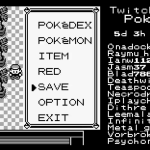
That socializing can affect the actual gameplay in titles like Party Hard, where chat commands can affect what’s happening to the game being played by the streamer. This can lead to an “us vs. them” mentality that makes even vicious in-game trolling more tolerable.



 Loading comments...