Google CEO Larry Page trotted out an impressive statistic during last week’s quarterly earnings call: Google+ now has 90 million users, double what it had three months ago. Even better, 60 percent of those users are engaged daily, and 80 percent weekly.
But those users aren’t necessarily engaging with Google+. Any action taken during a logged-in Google session—whether it be searching the Internet, checking Gmail or using Google Docs—counts as engagement under the statistic Page used. Google has refused requests from journalists and interested bystanders to reveal exactly what percentage of those 90 million signed-up Google+ users actually view Plus content each day, week or month. Instead, Google is arguing that it doesn’t matter: Google+ is so integrated into the overall experience that what matters is the number of users interacting with any Google site. Combined with other steps Google has taken to integrate Plus into search results and other Google properties, the message is clear: Eventually, Google Plus will just be there whether you want it to or not.
Facebook has 800 million active users, and 50 percent of them log in each day, an impressive feat given that Facebook is really just one site (albeit one with hooks into many other websites). Given the vast number of services Google offers, and the simple fact that Google performs a large majority of Internet searches, it’s not surprising that most Plus users interact with Google sites each day. It would be hard for them not to.
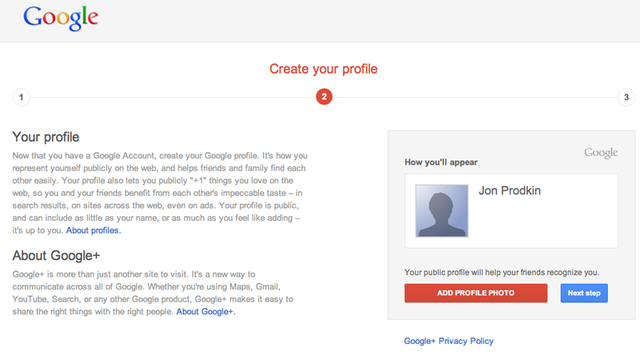
Still, 90 million people signing up for a service in just over six months is a big number, a quite impressive one if it was all due to organic growth—people consciously deciding to create a Google+ account and use the site in the same way they’ve done with Facebook and Twitter. But it turns out the act of creating a Google+ account is often just an incidental byproduct of signing up for other Google services.

 Loading comments...