
Breaking down rare earth element magnets for recycling
New method extracts desirable elements from waste magnets using less energy and acid.
Doug Johnson
–
|
48

New method extracts desirable elements from waste magnets using less energy and acid.

Fishing wreaks havoc on North Sea cod evolution; long-term planning can help.
Some EV battery thresholds achievable—if US allies are way, way too generous

Researchers think they’ve found the ideal bacteria to recover wasted elements.

Human brains have a leg up on computers—so what’s the next logical step?

Satellite imagery shows how much urban coastlines have changed in 20 years.

For the low, low price of $100/month, you can have basic access to Twitter’s API.

Global protected areas safeguard many plants and animals, but insects? Not so much.

On an Alaskan island, wolves adapted to hunt an unexpected aquatic prey.

Food waste is a big problem in the US. Is a Wi-Fi-equipped trash can a solution?

Study shows the world’s dams could lose up to 28 percent of storage by 2050.

Despite a bumpy history, through work and trust, gene therapy may have a future.

Service can help businesses monitor their impact on biodiversity.
Here’s a quick rundown of what came from this year’s biodiversity conference.

The UN biodiversity conference reminds us how little we know of the deep ocean.

Robots will wander a Texas campus so researchers can study human-robot relations.

Cities where US embassies installed air monitors saw improved air quality.

Study of one wreck supports the idea that its 50,000 peers may leak pollutants.

Research looks at the factors behind how fast countries move toward renewables.

Three million cars’ worth of emissions could be cut by addressing inefficiency.
Hurricanes, other disasters can knock out your power—solar can help, study shows.

Beyond lithium: Report weighs strengths, weaknesses of alternative battery types

New version of support hardware can keep homes solar-powered during outages.

Climate change is wreaking havoc on the planet’s 117 million lakes.
It’s disturbingly common for people to say solved problems were never problems.
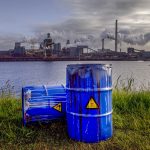
During a flood, old pollution is more likely to impact low-income communities.

The remote place these bears call home could offer refuge as sea ice dwindles.
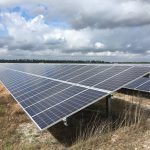
Every time solar and wind output doubles, the cost gets cheaper and cheaper.

Heights hinder hummingbird hovering—this could be bad news as the Earth warms.

Crowdsourced project unearths more than 1,000 asteroids in 37,000 Hubble images.

The world’s smallest porpoise can rebound, but each death decreases the odds.

The number of caveats has only grown since the last few studies were done.

As insects decline globally, there’s a need for regulating their sale online.

Hydro power is decreasing as climate change hangs the Southwestern US out to dry.

If we do nothing, parts of the US will see a tripling in wildfire smoke pollution.
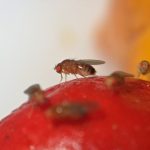
Researchers detect genetic changes in response to seasonal change.