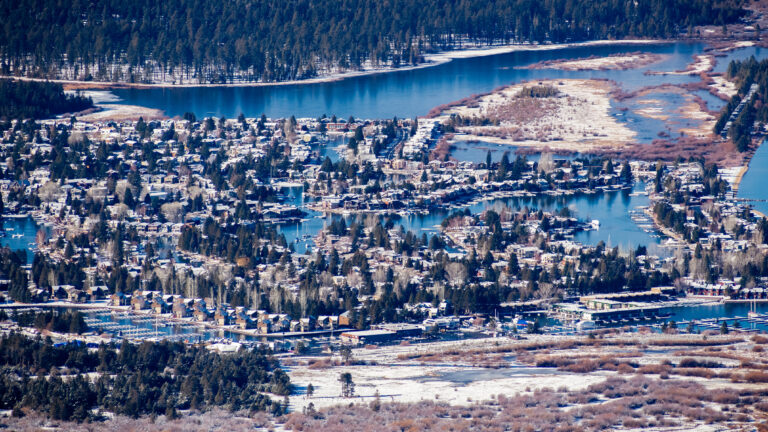
As soon as Lars Ruiter steps out of his car, he is confronted by a Microsoft security guard, who is already seething with anger. Ruiter, a local councillor, has parked in the rain outside a half-finished Microsoft data center that rises out of the flat North Holland farmland. He wants to see the construction site. The guard, who recognizes Ruiter from a previous visit when he brought a TV crew here, says that’s not allowed. Within minutes, the argument has escalated, and the guard has his hand around Ruiter’s throat.
The security guard lets go of Ruiter within a few seconds, and the councillor escapes with a red mark across his neck. Back in his car, Ruiter insists he’s fine. But his hands shake when he tries to change gears. He says the altercation—which he will later report to the police—shows the fog of secrecy that surrounds the Netherlands’ expanding data center business.

The heated exchange between Ruiter and Microsoft’s security guard shows how contentious Big Tech’s data centers have become in rural parts of the Netherlands. As the Dutch government sets strict environmental targets to cut emissions, industries are being forced to compete for space on Dutch farmland—pitting big tech against the increasingly political population of Dutch farmers.
There are around 200 data centers in the Netherlands, most of them renting out server space to several different companies. But since 2015, the country has also witnessed the arrival of enormous “hyperscalers,” buildings that generally span at least 10,000 square feet [Editor’s note: The vast majority of hyperscalers are much larger than this] and are set up to service a single (usually American) tech giant. Lured here by the convergence of European Internet cables, temperate climates, and an abundance of green energy, Microsoft and Google have built hyperscalers; Meta has tried and failed.
 Loading comments...