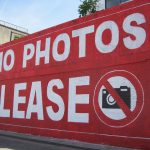
Wyoming lawmakers adopted legislation in 2015 making it illegal to gather data on open lands for the purpose of reporting harmful farming practices, environmental degradation, or other ills. That includes performing water quality tests or taking photographs. Fearing constitutional concerns, the state legislature amended the law last year to say virtually the same thing but with a caveat: it’s illegal to do such gathering if the observer does it from private property or had to cross private property first before entering public lands to do their investigation.
And a federal judge bought it and said there was nothing unconstitutional about the ag-gag law because, you know, trespassing is an illegal act.
Conservation and animal rights groups took the decision to a federal appeals court. Days ago, the appeals court put that lower court’s decision on life support. The 10th US Circuit Court of Appeals said the ordinance stifles speech, particularly speech necessary for public discourse about environmental and animal safety regulations.
“An individual who photographs animals or takes notes about habitat conditions is creating speech in the same manner as an individual who records a police encounter,” the Denver-based court concluded. (PDF)
The Wyoming legislation forbids state regulators from even acting upon evidence of environmental or animal wrongdoing if the data was gathered by somebody who had trespassed on private property. The legislation was crafted after the Western Watersheds Project, a plaintiff in the suit, collected data that revealed water pollution and federal grazing violations.

 Loading comments...