This week, the man responsible for what is probably the biggest cryptographic failure in military history died—just a few months before he was due to be released from prison. John Walker Jr. led a family spy ring that exposed a vast trove of classified data to the Soviet Union for 18 years by giving them access to Navy cryptographic materials. He passed away in a North Carolina federal prison hospital on Thursday after a long battle with cancer. He was 77 years old.
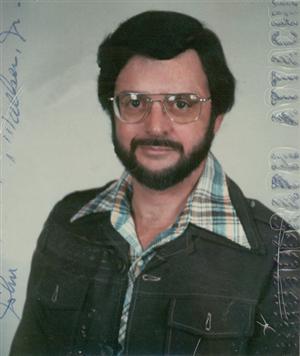
Walker’s Cold War spying for the Soviets started in 1967, when he was selling information about US Navy communications systems and the encryption codes used to configure Navy communications gear for secure transmissions over the Fleet Broadcasting System. The information he provided, some claim, led directly to the North Korean seizure of the US Navy intelligence collection ship USS Pueblo, as the Soviets apparently spurred the attack to gain access to the hardware used with the material Walker provided just a month earlier.
Back then, crypto codes were printed on cards or sheets of paper. There were single-use pads for transmitting encoded voice communications in the clear over unencrypted circuits, and cards used to configure the switches on crypto gear in the radio room. It was this second category of materials, which had the printed cryptographic keys used with the KW-7 Orestes teletype encryption system, that Walker sold in bulk to the Russians—first by stealing them himself, and then by enlisting family members. The cards initially gave the directions for how to manually configure the “plugboard” in the KW-7, until the Navy moved to a punched card reader in 1977 to configure the daily codes.

 Loading comments...