Under a new bill dubbed the “GPS Act,” law enforcement officials would no longer be able to obtain geolocation data from cellphones and GPS tracking devices without a warrant.
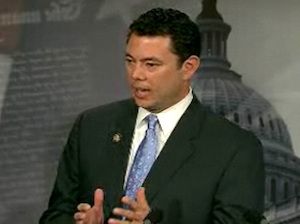
“I take the Fourth Amendment very seriously,” said Rep. Jason Chaffetz (R-UT) at a press conference announcing the bill. “The law enforcement community is going too far” by using GPS trackers without a warrant, he said. “I happen to think that’s wrong.”
Sen. Ron Wyden (D-OR), the lead Senate sponsor of the legislation, said that the US was trying to “race a technological Indy 500” with laws “out of the horse-and-buggy era.” Providing clear rules and tighter privacy protections on geolocation data should benefit everyone, including law enforcement, he said—even if some investigators don’t immediately see it that way.
Under the new bill, geolocation data obtained from devices like tablets, smartphones, and GPS trackers would be held to the same standard as a wiretap request; police can go to court, show probable cause, and obtain a warrant if they need access to such information. The current mishmash of court rulings about the legality of warrantless location tracking would be brought into uniformity, though the warrant standard would be relaxed in certain exceptional cases such as emergencies and 911 calls, among other situations.


 Loading comments...