Despite the rise of massive crypto-ransomware attacks, an even more troubling trend emerged in data gathered by the security firm CrowdStrike this past year and published in the company’s 2017 “Intrusion Services Casebook.” The majority of attacks the company responded to did not leverage file-based malware but instead exploited a combination of the native software of victims’ systems, memory-only malware, and stolen credentials to gain access and persist on the targeted networks. And the average attack persisted for 86 days before being detected.
“We found that 66 percent of the attacks we had investigated were file-less or malware free,” said Bryan York, director of services at CrowdStrike, in an interview with Ars. “These attacks had either leveraged some sort of compromised credentials or some sort of malware that runs in memory only.”
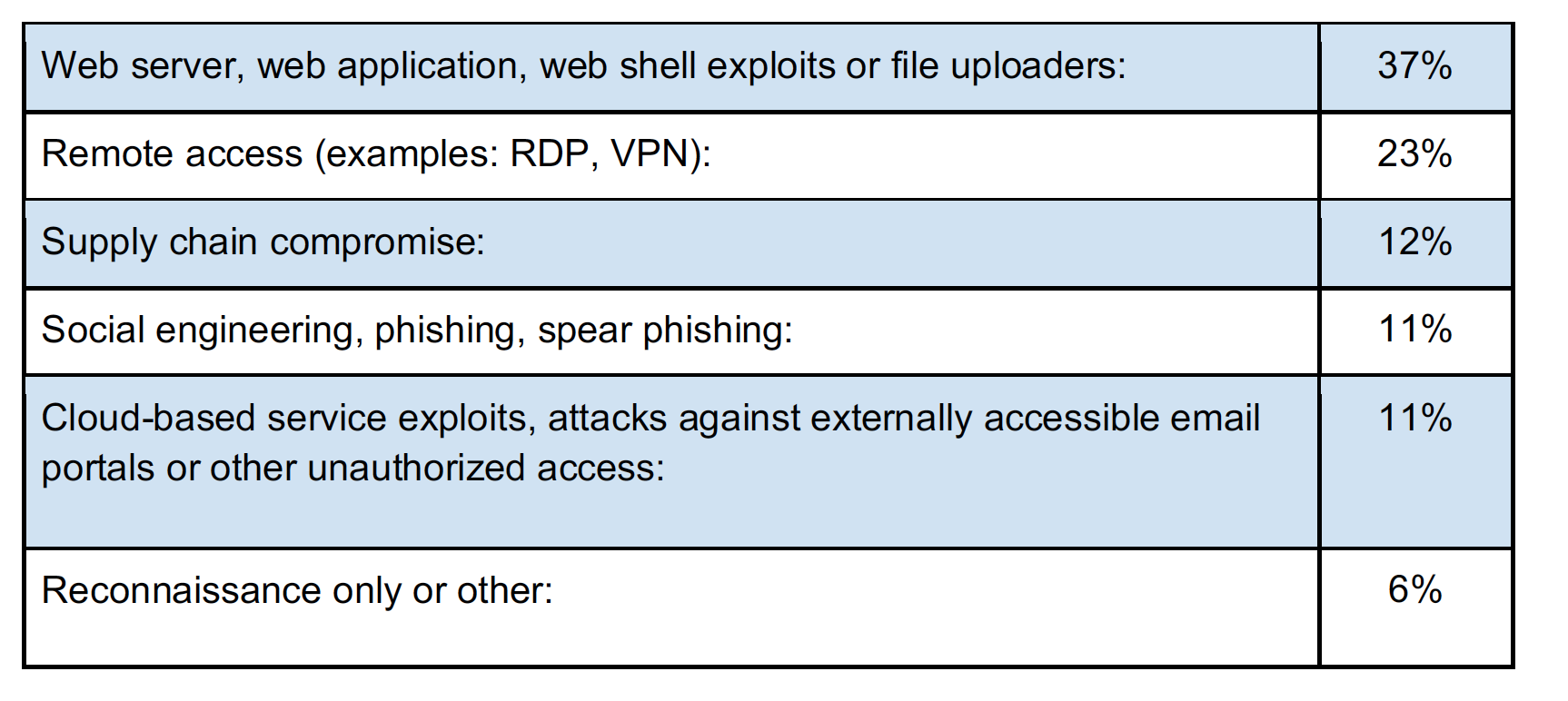
Some of these attacks used malware that was implanted in the memory of a targeted system by exploiting a software vulnerability on a system reachable from the Internet as a beachhead, or they used poorly configured Web systems to gain access—and then in some cases leveraged Windows features such as PowerShell or Windows Management Instrumentation (WMI) to establish persistent backdoors and spread laterally throughout targeted networks without leaving a malware footprint detectable by traditional antivirus screening. “Obviously, memory-only malware is pretty challenging to protect against,” York said.
Some of these attacks have blurred the distinction between criminal activity and state-actor attacks—largely, York said, because of the awareness of tactics used by state actors filtering into the criminal hacking community thanks to factors such as the Shadowbrokers leak of NSA tools. This problem obviously extends to malware-based attacks, as demonstrated by ransomware attacks this year that used self-propagation methods based on tools from the Shadowbrokers leaks.
In some cases, malware was used only as a “dropper” to introduce memory-only malware. In one incident reported by CrowdStrike, a malicious email attachment launched a PowerShell script that created a persistent simple backdoor. PowerShell commands were then used “to push out a memory-only Metasploit implant,” CrowdStrike researchers wrote in the 2017 Casebook report. “Tracing backward, it became apparent that this PowerShell code stub had been pushed to all point-of-sale (POS) systems on the client’s network of more than 14,000 systems and 160 controllers. Further review of the implant revealed it to be RAM-scraping malware.”



 Loading comments...