LTE is fast.
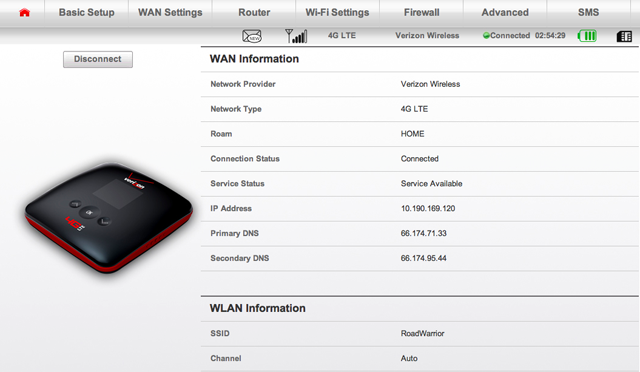
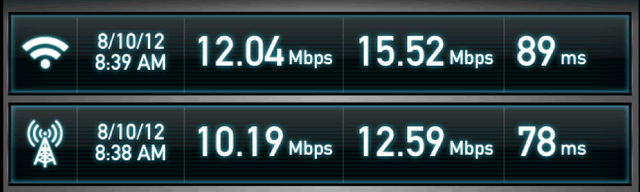
Well, at least it is when you’re on a network relatively uncluttered with other LTE users. Imagine a wireless broadband network is an interstate highway. Under the best circumstances, using Verizon’s 4G network is like barreling down Interstate 80 in western Nebraska going over 80mph. I should know—I’ve driven that stretch of highway far more often than anyone should, and I’ve even used Verizon’s network there from the passenger seat thanks to the Verizon Jetpack 4G LTE Mobile Hotspot 890L. The Jetpack is speedy, and its battery has a greater capacity than an eight-year-old’s bladder.
If you work for Ars, you work from home. Or Starbucks. Or anywhere you can find a broadband connection. Feeling the need to have backup broadband at home and broadband I wouldn’t have to share with folks at the local Panera and Starbucks, I purchased a Sierra Overdrive WiMAX hotspot from Sprint in May 2010. That device had some irritating quirks, but I was satisfied with both local coverage and the speeds (around 3-5Mbps). But WiMAX is on the road to obsolescence, so when faced with the expiration of my contract and a vacation to a place where Sprint’s 4G network didn’t reach, I decided to move to LTE.
If you want LTE in the US, you’re really limited to Verizon, AT&T, Sprint, and Metro PCS at this point. Sprint’s LTE coverage is currently minimal (but growing) and Verizon’s is the broadest. But Verizon also has the most restrictive broadband caps. In my case, coverage trumped other considerations (Verizon is the only telecom with LTE coverage in Breckenridge, Colorado, where I spend time every year), so I went with the Jetpack 890L.

 Loading comments...