When NASA astronauts Doug Hurley and Bob Behnken blast off inside a Crew Dragon spacecraft later this month, they will not only launch into space. They will also inaugurate a potentially transformative era for the space agency.
No private company has ever launched humans into orbit before. Therefore the success of their mission, and others to come in the near future, may go a long way toward determining whether the promise of commercial spaceflight and lower cost access to space becomes the new reality.
This moment has been a long time coming. Nearly 15 years ago, NASA placed a small bet on the nascent commercial space industry when it sought to diversify its fleet for delivering cargo to the International Space Station. NASA had the space shuttle to ferry supplies, of course, but that aging vehicle was not going to fly forever. So the agency’s administrator at the time, Mike Griffin, committed $500 million in seed money for the development of new, privately built spacecraft.
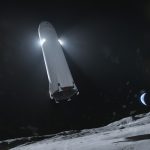
Griffin may not have realized what he had unleashed. The first small “Commercial Orbital Transportation Services” contracts awarded to SpaceX and Orbital Sciences have since expanded into other areas of spaceflight while multiplying in value from hundreds of millions of dollars into billions of dollars. NASA now looks to private companies for not just cargo delivery to orbit but, with Crew Dragon, people. NASA also recently sought commercial services for sending supplies to the Moon and even landing humans there. What began as a pebble tossed into a pond has become a wave.
Critics of this commercial approach certainly remain—it has disrupted the business models of traditional aerospace powers like Boeing and Lockheed Martin, which have long profited from lucrative cost-plus contracts. Some at NASA, too, still don’t trust commercial providers, and they’re especially wary of Elon Musk, the brash founder and chief engineer of SpaceX.







 Loading comments...