In a world where cars can drive
In part one of our "Future of Driving" series, we looked at the current state of self-driving car technology and tried to predict how that technology would progress in the coming decades. Now we're going to assume that the technical problems we discussed can be solved and explore how self-driving cars could change society.
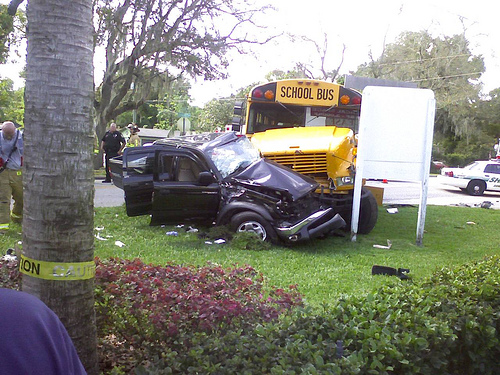
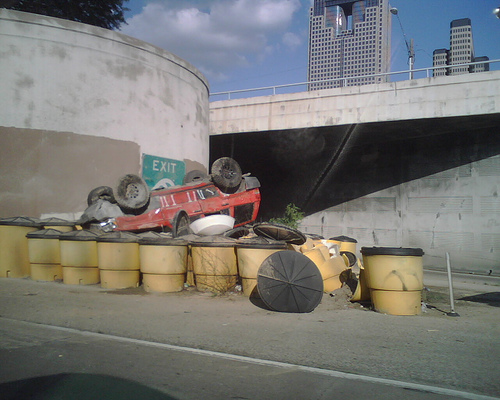
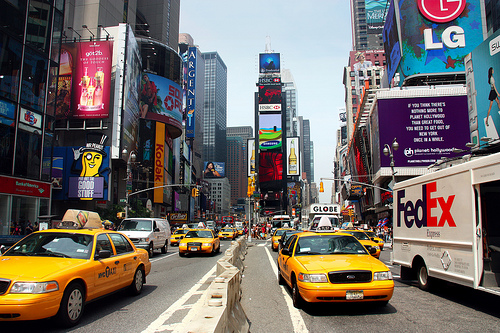
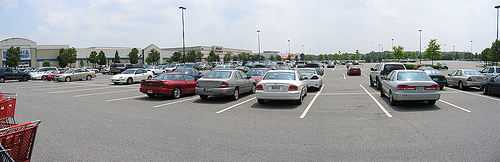
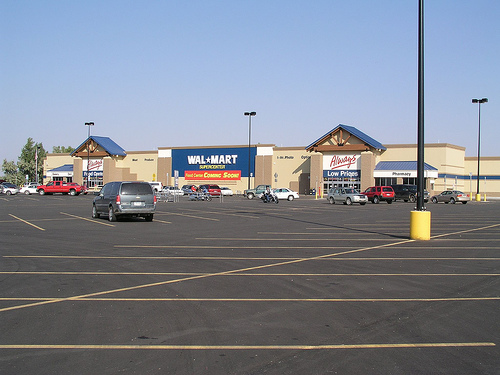
Some benefits of self-driving cars are obvious—less time spent behind the wheel and fewer accidents—but the consequences are likely to be much broader than that. Among the most intriguing are much greater use of taxis, more widespread use of smaller, more energy-efficient cars, the virtual elimination of parking lots, and a dramatic transformation of the retail sector.
Throughout this article we'll be linking to essays by Brad Templeton, a Silicon Valley entrepreneur who is currently the chairman of the Electronic Frontier Foundation. In recent months, Templeton has become an evangelist for self-driving vehicle technology, speaking and writing extensively about the topic. Many of the predictions we make in this story are based on ideas sketched out in Templeton's writings. If you're interested in more discussion of the topic, Templeton's web site is the place to go.
An important caveat before we get started: predicting the future is hard, and self-driving technology is still young enough that we're guaranteed to get some of the details wrong. One only has to glance through past predictions about the future to see how difficult it is to predict the social effects of new technologies. Nevertheless, we think it's worthwhile to spend some time thinking about the promise of this technology. We don't have all the answers, but we hope that talking about these benefits will inspire the next generation of engineers and entrepreneurs to turn the dream into a reality.