
Researchers make “neuromorphic” artificial skin for robots
Information from sensors is transmitted using neural-style activity spikes.
John Timmer
–
|
29

Information from sensors is transmitted using neural-style activity spikes.
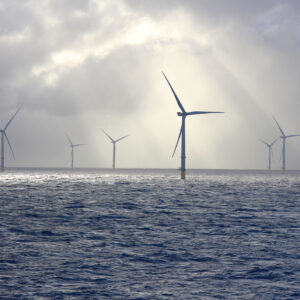
Projects with hardware in the water stopped due to Department of Defense fears.

Once researchers turn to LLMs, paper counts go up, quality does not.

Major research institution dismissed as a source of “climate alarmism.”
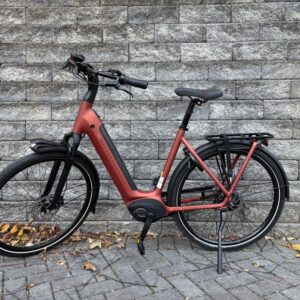
Gazelle’s high-end commuter offers a belt drive and continuous variable transmission.
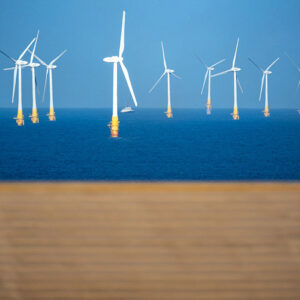
The “arbitrary and capricious” standard strikes down another administration action.
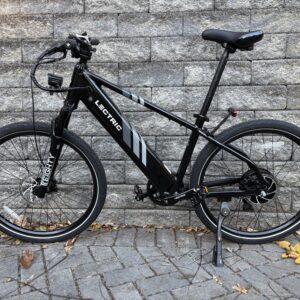
A budget e-bike that offers more than you might expect.

A distinct population that was isolated until the last thousand years or so.

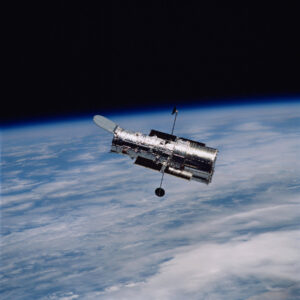
Planned orbital observatories would see satellites cross nearly all of their images.
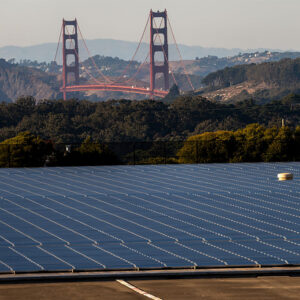
Over the course of 2025, electricity demand has gradually declined.

But the specific behaviors linked may be completely unrelated.
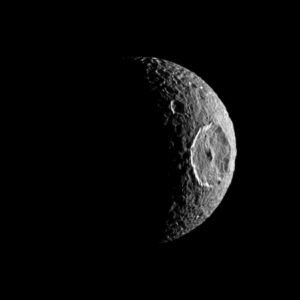
A rigid ice shell over a shrinking interior makes for pressures low enough to boil.
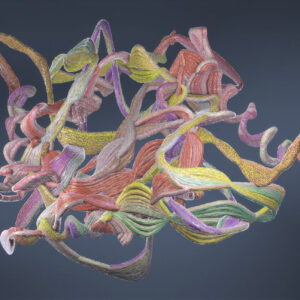
Genes with related functions cluster together, and the AI uses that.

A rundown of what we know of the third extrasolar object we’ve identified.
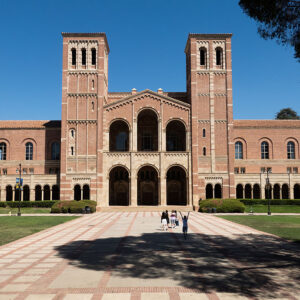
Government can’t use funding threats to override the First Amendment.
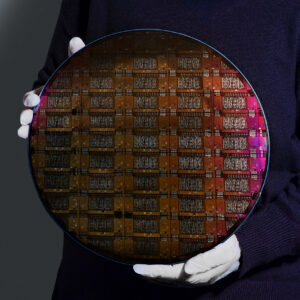
IBM follows through on its June promises, plus more trapped ion news.

But the differences are likely to be subtle, so it won’t be easy.
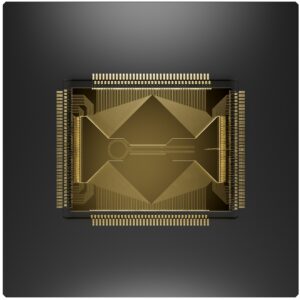
As a test case, the machine was used to test a model of superconductivity.
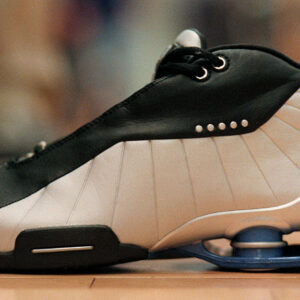
Given a dozen hours, the enzyme can turn a foam pad into reusable chemicals.

Details are remarkably sparse on what has been agreed to.
The deal wouldn’t protect UCLA from the proposed university compact.
If we ID the DNA for a great antibody, anyone can now make it.
Fossil beds in New Mexico show diverse species present in the late Cretaceous.
An approach it calls “quantum echoes” takes 13,000 times longer on a supercomputer.
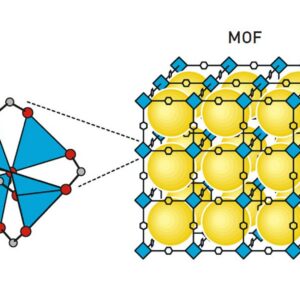
Three researchers share prize for structured polymers called metal-organic frameworks.

Yes, it’s another potential qubit. But it’s also some very cool physics.
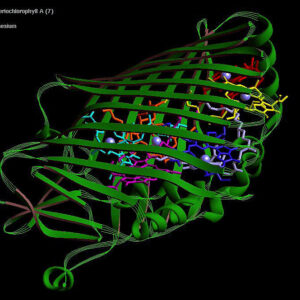
Ordering DNA for AI-designed toxins doesn’t always raise red flags.

Who needs peer review? Plan offers easier grants to schools that agree to limits.
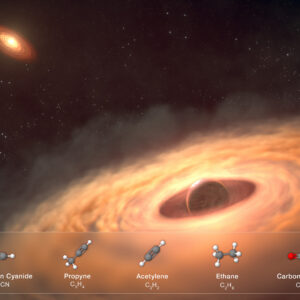
Lots of carbon molecules but little sign of water in a super-Jupiter’s disk.
Drug patents frequently cite research that the NIH wouldn’t be able to fund.
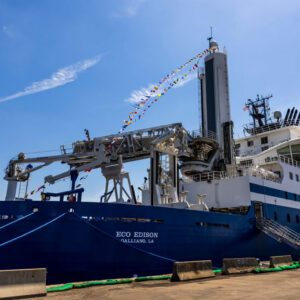
Judge calls decision to stop construction “the height of arbitrary and capricious.”
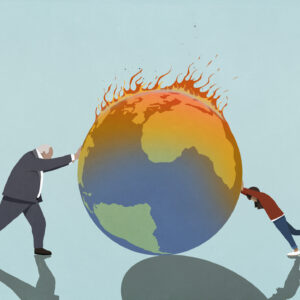
Things have changed since 2009: We’re more certain about the problems.
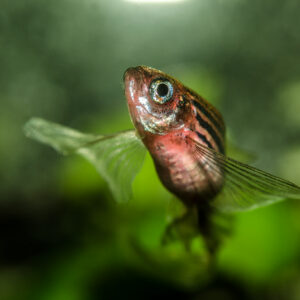
Making digits seems to involve gene activity that was needed to make a cloaca.
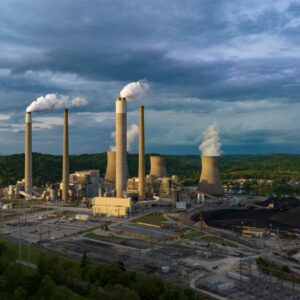
Meanwhile, Congress is trying to keep serious scientists from weighing in.
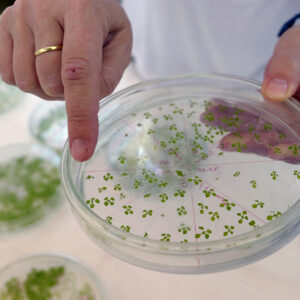
Engineered pathway lets carbon be plugged directly into key metabolic pathways.
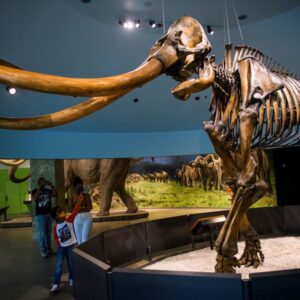
The species’s boundaries in North America seem to have been fairly fluid.