“We each have a signal. A stream of raw power that flows with us. A power. A superpower. A super communication power.” So proclaims Verizon Wireless’s innovative “Rule the Air” advertising campaign.
“Send your signal forth with luminous videos, glorious data, and sublime megapixels,” another Verizon ad urges consumers. “Transmit your latest brainstorm over the airwaves. You just might start a revolution.”
Indeed, the airwaves are fundamentally democratic, Verizon insists. “Air has no prejudice,” a procession of women declare in a Rule the Air video spot. “It does not care carry the opinions of a man faster than those of a woman. It does not filter out an idea because I’m 16 and not 30.”
Virtually unscathed
Revolutionary, democratic, unprejudicial—Verizon’s campaign comes as Americans debate whether the wireless broadband airwaves really represent any of these wonderful things. Who will really rule the air, consumer advocates wonder, smart phone users or the wireless carriers? Two mobile providers dominate the broadband airwaves and, thanks to a recent federal court decision, they enjoy unchecked power to limit or prioritize data, content, and features at their pleasure.
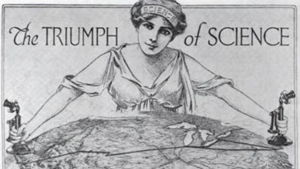
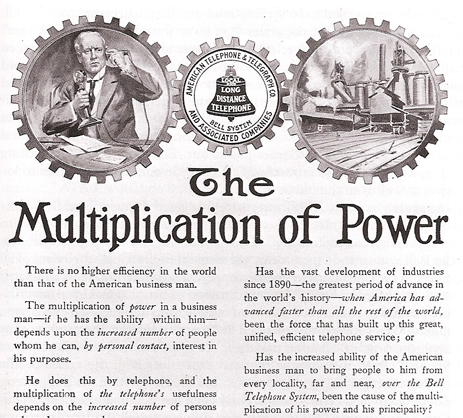
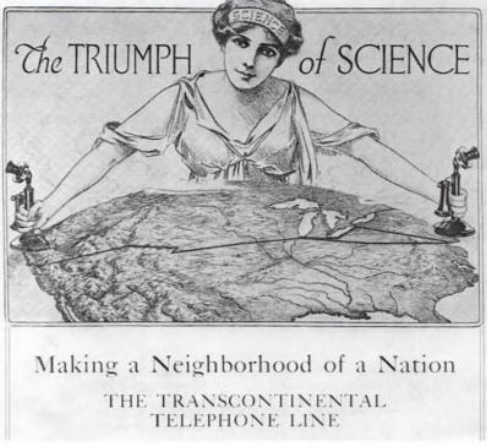
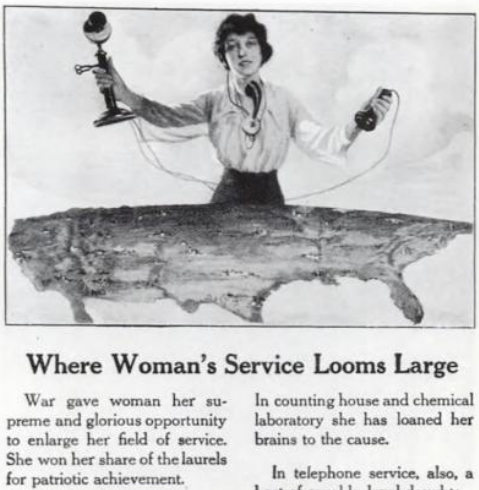
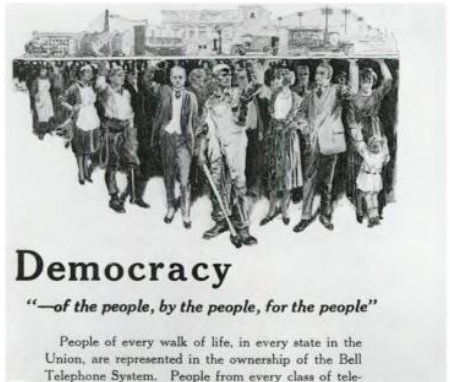
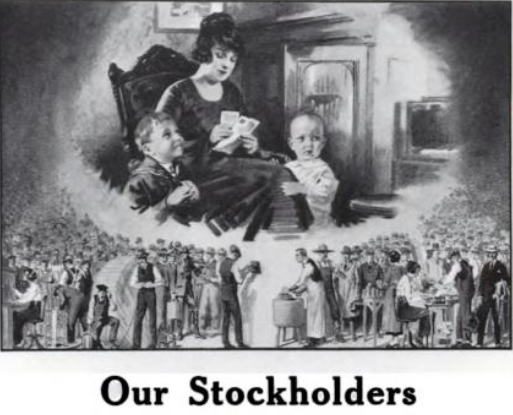
But this isn’t the first time a big carrier tried a charm offensive of this sort. A century ago, the insurgent phone company of the time—American Telephone and Telegraph—also found itself swimming in a sea of public worry. Consumers and independent providers feared (rightly as it turned out) that the corporation would prevail in its ultimate goal, the acquisition of almost all of the nation’s phone lines.
And so AT&T launched the Progressive Era equivalent of a “Rule the Air” campaign. Obviously there’s a difference between then and now. Verizon offers wireless service; AT&T leased out its land lines. But in terms of policy objectives, the historian Roland Marchand thought that AT&T’s crusade worked.
When the Federal Communications Commission launched its first probe into the company’s aggressive practices in the mid-1930s, AT&T emerged “virtually unscathed” from the ordeal, Marchand noted in his classic history, Creating the Corporate Soul: The Rise of Public Relations and Corporate Imagery in American Big Business.

 Loading comments...