Supporters of Anonymous have been shocked by revelations that Sabu, one of the hacking collective’s kingpins and spiritual leaders, spent the past eight months ensnaring other members in a coordinated FBI sting.
Perhaps they shouldn’t have been. As anyone who has followed other high-tech dragnets over the past two decades knows, turncoats are an inevitable ingredient in most probes.
In 1995, for instance, when a fugitive named Kevin Mitnick was apprehended for using cloned cellular devices to hack into dozens of computer networks, federal authorities located him with the help of a cohort named Justin Peterson. A few years earlier, according to hacking folklore, Peterson helped feds find Kevin Poulsen—now a senior editor at Wired who was then a fugitive wanted for a string of wire-fraud and phone-phreaking offenses. Peterson, who was being pursued for hacking crimes of his own, also helped investigators locate Ronald Austin, who was wanted for breaking into Arpanet servers.
“I can’t think of any (hacking) case where there wasn’t an informant involved because when these guys get busted, they roll,” Kevin Mitnick, who is now a professional security consultant, told Ars. “They sing like a bird to get themselves out of trouble. It’s common.”
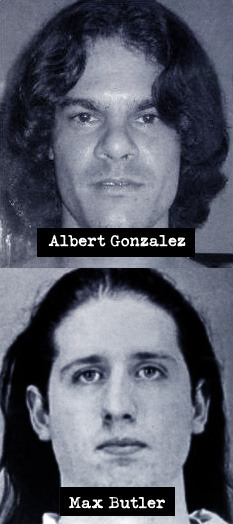
More recently, there was the case of Max Butler, a hacker arrested in 2007 for the theft of 2 million credit card numbers following invaluable information cohort Christopher Aragon provided to the FBI.
A few years later, another prolific carder named Albert Gonzalez was undone in part by help given to authorities from an associate who had helped him hack into dozens of retail and payment processor networks and steal data for tens of millions of cards. Besides the sophistication of the operation and the estimated $400 million worth of damage it caused to TJX, Heartland Payment Systems, and other victims, the Gonzalez case was significant for just how deep the duplicity went. Even as he masterminded the crimes, Gonzalez was a paid informant for the Secret Service who helped put away more than a dozen members of Shadowcrew, an online bazaar where crooks went to buy and sell payment card numbers and other data used in fraud.
 Loading comments...