It was hardly a secret that the look of iOS was due for a design makeover. Former iOS software head Scott Forstall was out, and Apple’s product designer Jony Ive was in. Ive apparently winced when asked about the stitched leather look of some apps—it was obvious the days of faux texture were numbered.
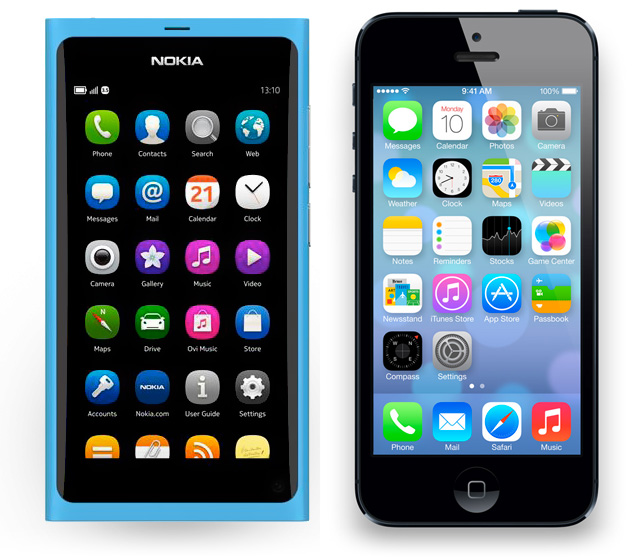
Now that we’ve had a good look at iOS 7, though, it’s clear that the departure is stronger than most people expected. This isn’t a gentle de-stitching; it’s a pretty radical overhaul.
When the iPhone debuted, there just wasn’t anything quite like it. Yes, the idea of a screen as a phone wasn’t solely Apple’s creation, and no, it didn’t invent the grid of icons on a touchscreen. Nevertheless, Apple was forging a new path, and it was its trail to blaze.
Fast forward to 2013, and Apple is no longer designing in a vacuum.
My colleague Florence Ion argued that Apple was taking its cues from Android now, that the student had become the teacher. I think it’s actually a lot more nuanced than that, and the interesting thing about the iOS 7 makeover is how broad the design debate has become. It’s not a binary conversation.
I don’t think you can begin the discussion without starting with Windows Phone 8. Call it Metro, call it flat, there’s no question Microsoft took the user interface conventions and steered things at a right angle. It was a shot across iOS’ glossy bow, and it’s clear now that it was a direct hit. Am I saying iOS 7 ripped off WP8? Not at all—it’s not that cut and dried. But Microsoft set a direction; Apple is following a bit more and not leading quite so much.
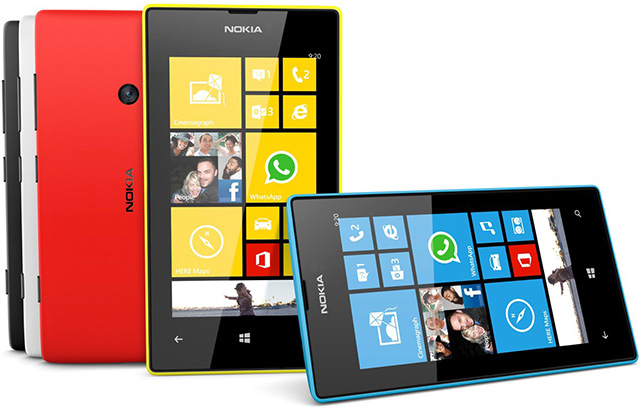
It would be a mistake to call what Apple is doing now “flat” because it isn’t. We still have drop shadows, gradients, and the interesting parallax effect when you tilt your phone screen. “Pared down” is more accurate. But the Metro influence is unquestionable.
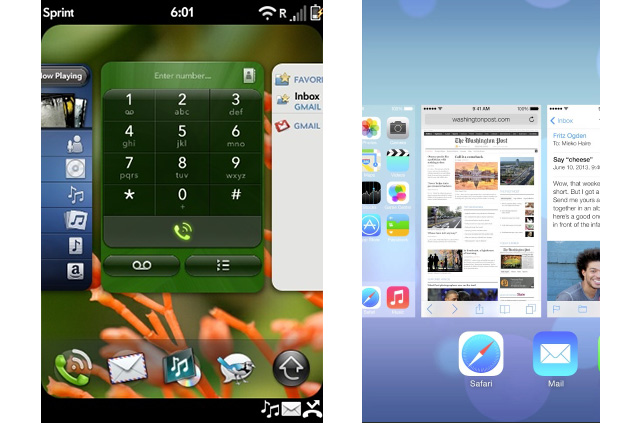
Perhaps a more interesting influence, though, is one from the past, one from the dead. Who watched the demo of iOS 7’s app switcher and didn’t immediately see visions of WebOS’ cards? This wasn’t a subtle influence, either; it was more like a direct homage (or maybe even a rip-off if you were feeling less charitable). Don’t be mad, though: the chorus of voices calling for Apple to do just this has never entirely died down. Be glad the company finally listened.

 Loading comments...