
At NIH, a power struggle over institute directorships deepens
The research agency has 27 institute and center directors. Will those roles become politicized?
Undark Magazine
–
|
68
The research agency has 27 institute and center directors. Will those roles become politicized?

GPS jamming has gotten cheap and easy, but there are potential solutions.

Uncontrolled mining in areas of Myanmar ruled by powerful ethnic armies has boomed.

Frontline Health Advocates provides medical exemption notes—for a fee. What exactly are they selling?

Push to revive nuclear energy relies on deregulation; experts say strategy is misplaced.

One of the world’s foremost climate models now faces funding threats.

Idaho charts a new path as trust in public health craters.

Can the US’s system to monitor air pollutants keep up with a changing climate?


European leaders say they will fill the funding void. Is that realistic?

Funding pause at U. Michigan illustrates uncertainty around new language in NIH grants.

Smaller post-grad classes are likely due to research budget cuts.

New therapeutic strategies build on the success of immunotherapy.

More children are taking the hormone in the form of nightly gummies or drops.

A recent lawsuit highlights the vulnerability of programs intended to promote DEI.

Digital sequence information alters how researchers look at the world’s genetic resources.

Senate Republicans flagged thousands of grants as “woke DEI” research. What does that really mean?
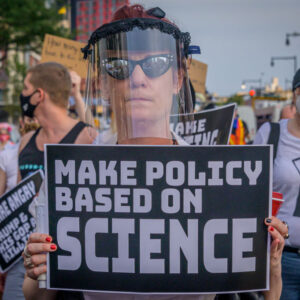
Public trust in science has shown a certain resiliency, but it is being tested like never before.

Results from a recent survey have prompted questions.

Governments are banking on this old drug in the event of an H5N1 outbreak.

The Cold War spawned some odd military projects that were doomed to fail.

Researchers are trying to turn plastic-eating bacteria into food source for humans.

Though carbon removal startups may limit global warming, significant questions remain.

The New Madrid fault line remains something of an enigma to seismologists.

Which surveys are solid and which dissolve under scrutiny?

It turns out the pet care industry has funded a lot of studies.

Some labels suggest allergen cross-contamination that might not exist.

Slowing down an asteroid by just one-tenth of a second makes all the difference.

Mining asteroids could reduce the burden on Earth’s resources. Will it live up to its promise?

Some experts have concerns over the safety of the genetically modified bacteria.

Can we use research and policy to change (or not change) the clocks for the last time?

Can new scientific insights help the newest crop of NBA stars stay healthy?

Can water utilities meet the EPA’s new standard for PFAS?

Educating local residents about the risks carries challenges.

Telehealth prescribers flourish in the wake of the pandemic, regulatory gaps and all.

Avian flu vaccines are being used on birds for the first time in the US.

The Army Corps of Engineers aims to block invasive carp from the Great Lakes.