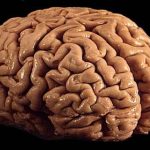
“Brains in a dish” move out of science fiction and into the lab
Growing brain-like tissues in cell culture lets scientists study neurodevelopment.
Roheeni Saxena
–
|
23

Growing brain-like tissues in cell culture lets scientists study neurodevelopment.
Undeveloped immune systems are not the only culprit in infants’ susceptibility.

The rapidly warming Atlantic sees a big boost in toxic algae.
No studies in humans yet, but plant-based diets are definitely healthier anyway.

Does this mean anything? Only that we read science that reinforces our beliefs.
Traditional metrics for patent impact of NIH grants misses their full contribution.
Scientists are getting their PhDs later, retiring at lower rates.

Anticipating and evaluating rewards requires specialized neurons.
Treatment with a simple chemical restores DNA repair to aging mice.

Blueberry extract and amino acid supplements may prevent postpartum depression.

But it only works if you’re monitoring a brain while the crime’s taking place.

Active social media users are self-segregated and polarized in news consumption.

Pollution and extreme temperatures go hand in hand.

Humans start fire when lightning wouldn’t, making for a much longer risk season.
Get anxious every time you drive by your high school? Blame hippocampal neurons.

States that legalized gay marriage early created a natural experiment.
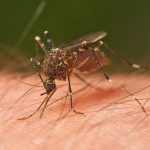
We may finally be getting somewhere in our fight against the disease.

When the number of immigrants goes up, violent crime goes down.
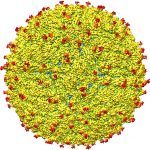
Another step toward understanding why the virus causes microcephaly.
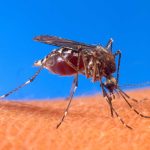
A single molecule, made by malarial parasites, draws mosquitos to infected humans.
“Synthetic controls” give health researchers a better statistical tool.

A comprehensive database of events lets researchers explore potential causes.
Female geoscientists aren’t as much of a part of the peer review process.

Going two time zones east or more seemed to have an effect, mostly on home teams.

If parents know STEM careers are a good option, their kids focus more on STEM.
REM sleep critical for brain development and memory consolidation.

Visual reminders of poverty do not make make people more sympathetic to the poor.
Brains of the deaf seeing rhythmic lights look like others’ listening to rhythms.
As we learn more things to recognize, some brain regions get bigger; others shrink.

Genetic predisposition to obesity causes changes even in normal-weight children.

Intervene on poverty, maltreatment, low IQ, or self-control to improve outcomes.
Fasting stops development of early stage leukemia, reverses mid-stage disease.

Bundle of joy comes with long-term changes to mom’s brain structure.
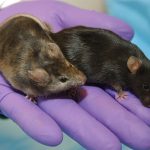
Using a similar treatment in humans may be effective at fighting cancer.

Extraversion linked to ADHD. Neuroticism linked to schizophrenia.

Re-reading study guides is not nearly as helpful.