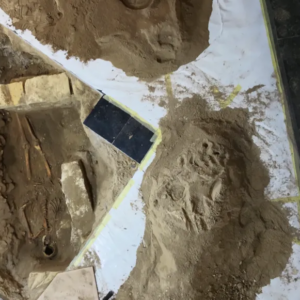
Damaged church floor may have revealed the grave of the fourth musketeer
This will not be turning up in the church rummage sale.
Kiona N. Smith
–
|
74

This will not be turning up in the church rummage sale.
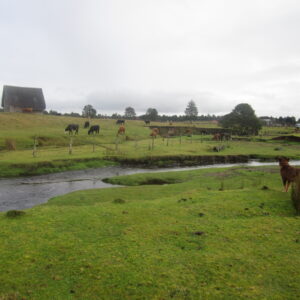
Stop trying to make “Clovis First” happen; it’s not going to happen.
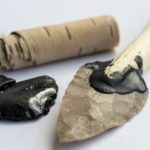
Our view of Neanderthal life keeps getting more complex and vibrant.
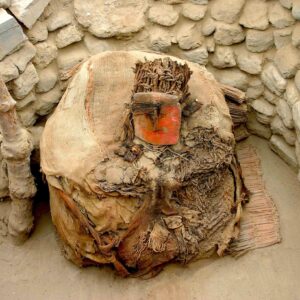
The Inca Empire’s system of roads were built on centuries-old trade routes.

Shang Dynasty oracle bones and modern weather models feature in the same study.
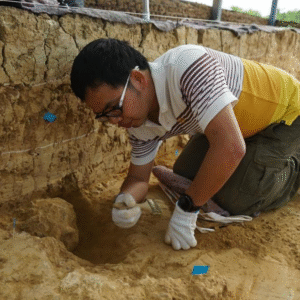
The revised age may help make sense of 2-million-year-old stone tools elsewhere in China.
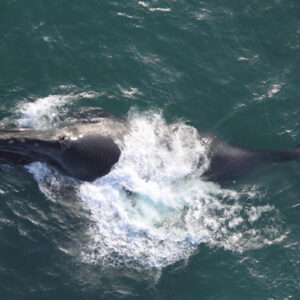
Sometimes, new data raises more questions than it answers.
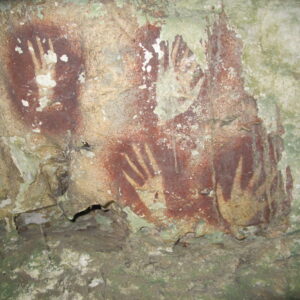
The world’s oldest art has an unintentional story to tell about human exploration.

The sunken ship reveals that the medieval European economy was growing fast.
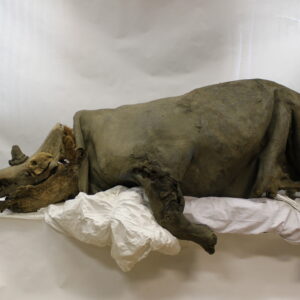
Fortunately for paleogeneticists, wolf puppies don’t chew their food thoroughly.
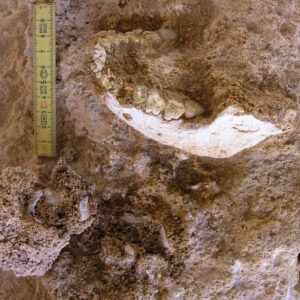
A recent study suggests that North Africa may be a key place to look.
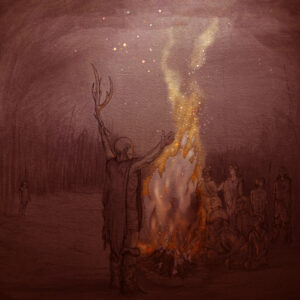
We didn’t start the fire. (Neanderthals did, at least 400,000 years ago.)

Dog behavior is a lot more complicated than any one gene variant.
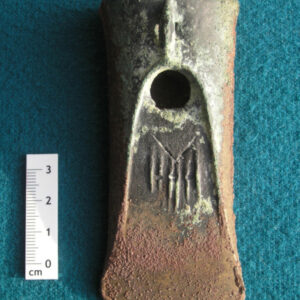
An unexpectedly large city lies in a sea of grass inhabited largely by nomads.

Life with humans changed dogs in some dramatic ways, and it didn’t take long.
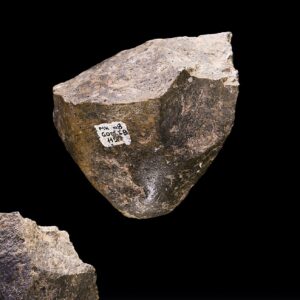
This technological tradition lasted longer than Homo sapiens have even been a species.
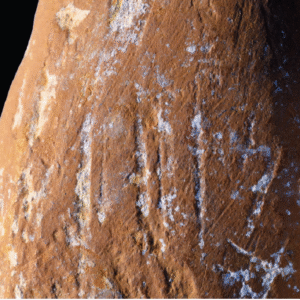
Neanderthals were apparently no easier on their art supplies than modern kids.
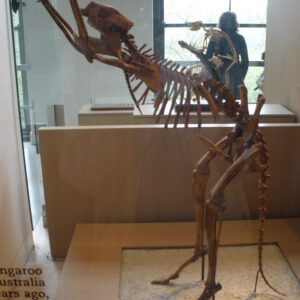
Europeans weren’t the first people to collect fossils in Australia.

A recent study found lead in teeth from 2 million-year-old hominin fossils.
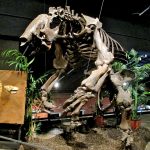
Giant sloths are extinct in part because they were tasty and nutritious.
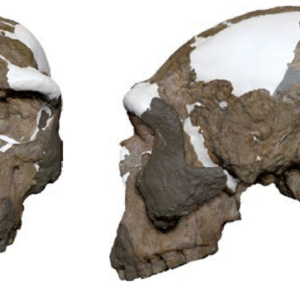
Now that we know what Denisovans looked like, they’re turning up everywhere.
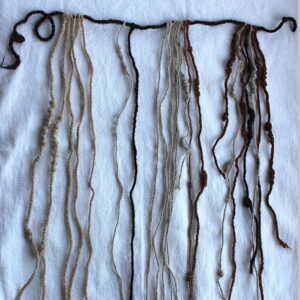
The Inca Empire hung by a thread—literally.
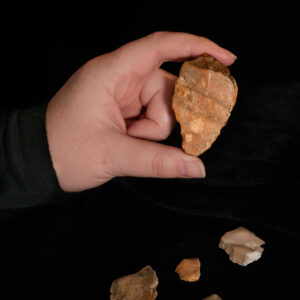
The stone flakes don’t look like much, but they’re a clue in an ancient cold case.
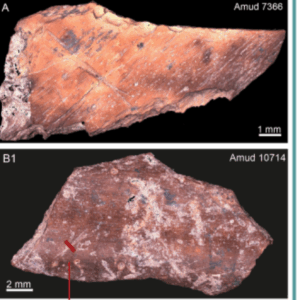
We’re starting to find features that distinguish one Neanderthal culture from another.
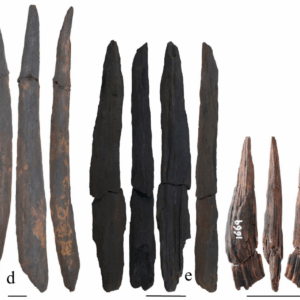
The find may require rethinking the so-called “Bamboo Hypothesis.”
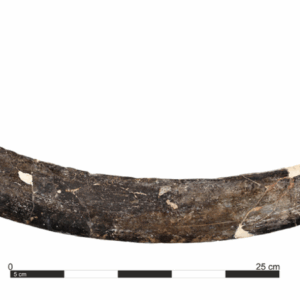
The boomerang is a one-of-a-kind find from the last place archaeologists expected.
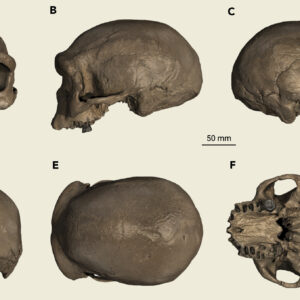
After years of mystery, we now know what at least one Denisovan looked like.
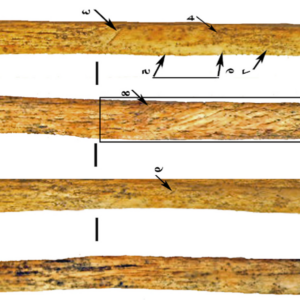
Neanderthals used sleek bone projectiles to hunt big game.
An ancient Chinese army set fire to an enemy capital, but things got out of hand.
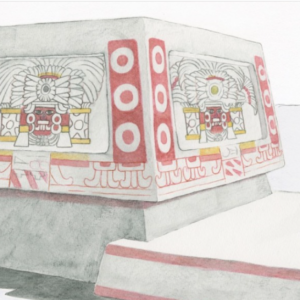
The altar marks the presence of an enclave of foreign elites from Teotihuacan.
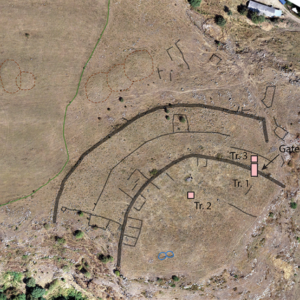
This recently mapped Bronze Age fortress is just one among hundreds.
We may owe our tiny sliver of Neanderthal DNA to just a couple of hundred Neanderthals.
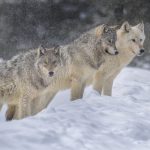
Our relationship with wolves, dogs, and even coyotes has always been complicated.
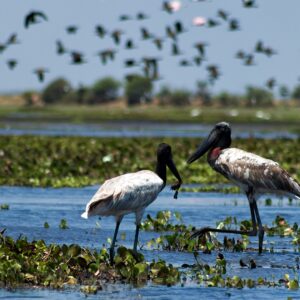
The Maya were landscape engineers on a grand scale, even when it came to fishing.
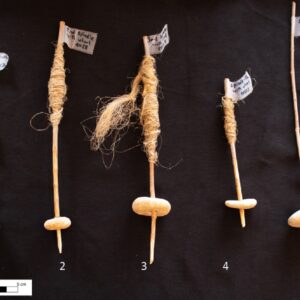
The physics of spinning objects may have seeded concepts key to the wheel.
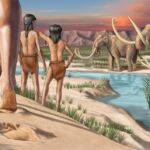
That means people must have been in the Americas even longer than we thought.