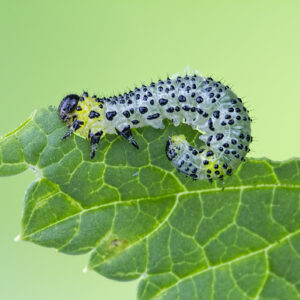
Beans use an immune receptor to call in airstrikes on caterpillars
When they’re being eaten, bean plants release chemicals that draw in parasitic wasps.
Jacek Krywko
–
|
44

When they’re being eaten, bean plants release chemicals that draw in parasitic wasps.
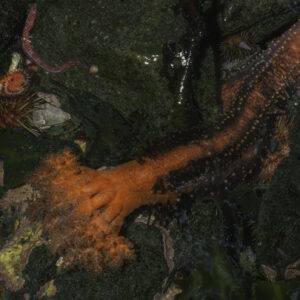
They seem to reorganize their tissues and then just keep living.

The differences seen here could be throwing off how we study planetary atmospheres.
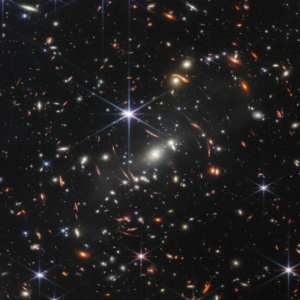
Early galaxy has elements produced by the Universe’s first supernovae.

Fortunately, it happened early in the morning, so nobody was around.
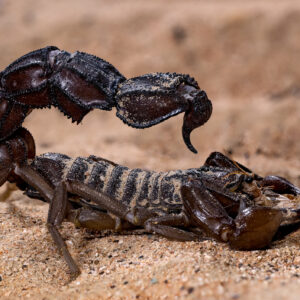
Different hunting patterns seem to dictate different distributions of metal.

Software lets robots learn from each other even if they have different hardware.
Layer by layer, researchers revealed the jaws of an ancient predator.

Supposed “first octopus” was something else entirely.
A receptor that’s used to find prey is also activated by progesterone.
Breathing capacity could have compensated for lower atmospheric oxygen.

There may be a river delta hidden under the obvious delta in a Martian crater.

Frame-dragging may explain an odd pattern seen in the brightest supernovae.
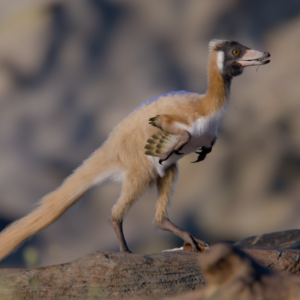
Small size seems to have come before a change in diet for a tiny dinosaur lineage.
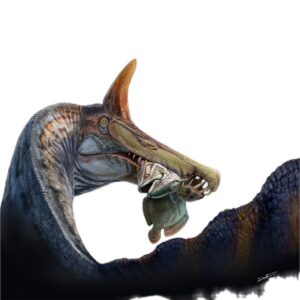
A unique head spike and fish-eating jaws help make sense of these dinosaurs.
The binary asteroid’s orbit around the Sun was affected by the impact.
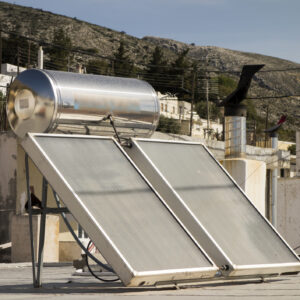
Sunlight can cause a molecule to change structure, and then release heat later.
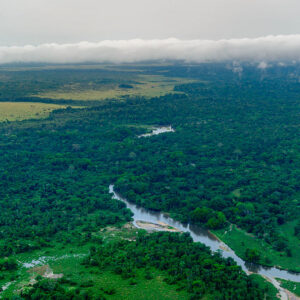
Less pollution meant lower amounts of a methane-destroying chemical.

Infections had turned his lungs to soup and had to be cleared before transplant.
During cocoon phase, young, supermassive black holes are surrounded by high-density gas.
A 5,500-year-old fossil from Colombia has scientists rethinking syphilis origins.

Study is first to implant micro-electrode arrays to record neurons as they produce facial gestures.
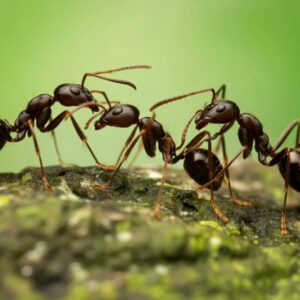
Ants with lots of workers tend to put less energy into making them armored.
Managing each finger separately can, with the right sensors, ease control issues.

A massive study of political persuasion shows AIs have, at best, a weak effect.
They’re quite a bit cheaper than manufactured nozzles if you can dissect them.
AlphaProof can handle math challenges but needs a bit of help right now.
Chimps can take in new evidence, evaluate its strength, and change their minds.
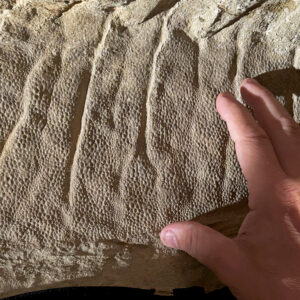
Exquisitely preserved fossils come from a single site in Wyoming.
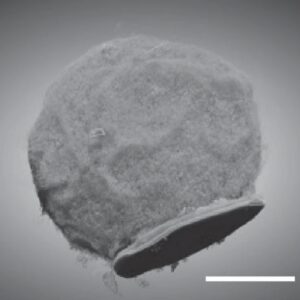
Tiny chips can be powered by infrared light if they’re near the brain’s surface.
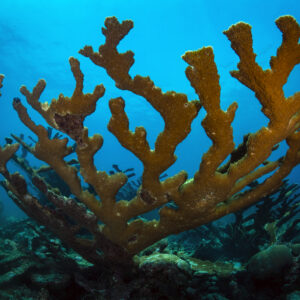
A recent die-off in Florida puts the spotlight on corals’ survival strategies.
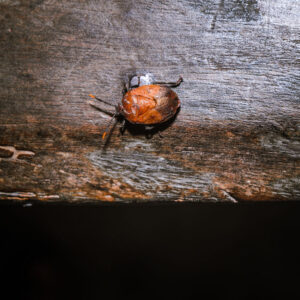
A dedicated organ grows the fungus, which deters parasitic wasps.
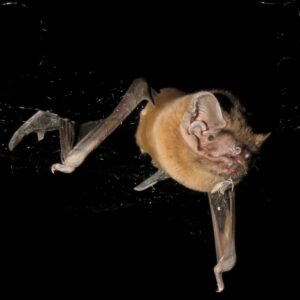
A handful of bat species hunt birds, and new sensor data tells us how.

European wolves flee human conversation faster than dogs’ barking.
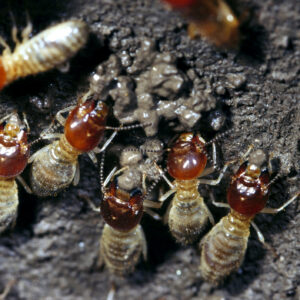
The termites know how much of their agricultural area has been taken over by weeds.

It’s a bit like a handheld 3D printer, with all the accuracy challenges that implies.