The Federal Communications Commission has sanctioned Comcast for "secretly degrading peer-to-peer applications," as the agency put it today. The Commission has issued a decision arguing that its Internet Policy Statement gives it the power to regulate Internet network management, and that Comcast's management was unreasonable. The FCC's Order will require Comcast to "disclose the details of its discriminatory network management practices to the Commission," set up a compliance plan to fix the problem, and fully outline its new practices to the FCC and consumers by the end of this year.
At today's Open Commission hearing, FCC Wireline Bureau chief Dana Schaffer announced the division's conclusions. Comcast network management practices "discriminate against network management protocols rather than treating them equally," Schaffer said. The company has deployed network management technology that "selectively terminates" P2P connections. Schaffer called Comcast's practices "invasive," charging that the firm essentially prioritizes digital mail, not based on the address on the envelope, "but on the type of letter."
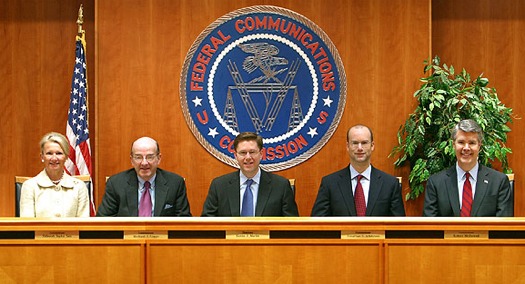
"Will the Internet evolve out in the open?" asked FCC Commissioner Michael Copps. "Or will network operators bring it under their control for their own purposes?" A majority of three agency Commissioners voted today for an Order that they hope will preserve openness: Copps, his fellow Democrat Jonathan Adelstein, and, most significantly, FCC Chair Kevin Martin, who continued Shaffer's mail metaphor in his public comments.
"Would anyone here actually be OK if the Post Office was opening your mail and deciding that they didn't want to bother delivering it and hiding that fact by sending it back to you stamped 'address unknown, return to sender'?" Martin asked the audience. "Or would anyone here be OK if someone sent them a First Class letter, and the Post Office decided that they would open it, and deciding that because the mail truck was full sometimes, they would make the determination that your letter could wait, and then they would hide that fact from you, the fact that they had read your letter and opened it, and that they decided to delay it?"