German director Uwe Boll has made something of of specialty out of producing terrible movies based on video games. Back in 2006, Ars Gaming Editor Ben Kuchera summed up Boll’s problem: “After he watched the final cut of Alone in the Dark, he actually decided to release it. This guy is pure evil, distilled in an untalented director’s body.”
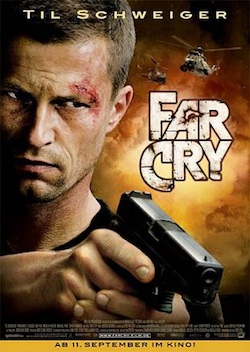
Boll went on to make such films as Postal and Far Cry, taking advantage of German film tax credits to obtain continued financing for his work, and he wasn’t above actually punching out his critics in the ring. The man is… not universally loved.
This month, Boll found a new revenue source: mass lawsuits against P2P downloaders in US federal court. The first suit from Achte/Neunte Boll Kino Beteiligungs GmbH targets “Does 1-2,094” over their alleged sharing of Far Cry on BitTorrent networks.
Going postal
The move is part of a new international approach to recouping some of the money believed lost to online piracy. It is spearheaded in the US by a new entity calling itself the US Copyright Group, which has filed a host of such lawsuits in recent weeks against P2P users, mostly involving smaller independent films. The Hollywood Reporter first noted the lawsuit campaign, which isn’t designed so much to stop piracy as to monetize it.
The original article is full of odd statements, such as this one that describes how the P2P detection technology in question works: “The program captures IP addresses based on the time stamp that a download has occurred and then checks against a spreadsheet to make sure the downloading content is the copyright protected film and not a misnamed film or trailer.” Say what?
After reading through the court documents related to the Far Cry case, a much clearer picture emerges. Boll’s German film company has signed on with the US Copyright Group, which coordinates the campaign. The group is owned by IP lawyers, is based in Washington, DC, and has a website with the grandiose title of SaveCinema.org. US Copyright Group charges nothing to take cases; it takes a percentage of all revenues earned on a contingency basis. “We are here to recover losses for copyright holders and to stop film piracy,” it says. “We are here to SAVE CINEMA.”

 Loading comments...