Second time’s a charm
"The Castaway" is not a very good book. Published in 1908, Hallie Ermine Rives' novel opens with these deeply unpromising sentences:
"A cool breeze slipped ahead of the dawn. It blew dim the calm Greek stars, stirred the intricate branches of olive trees inlaid in the rose-pearl facade of sky, bowed the tall, coral-lipped oleanders lining the rivulets, and crisped the soft wash of the gulf-tide. It lifted the strong bronze curls on the brow of a sleeping man who lay on the sea-beach covered with a goatskin."
A goatskin? Crisped the soft wash? The masochists among us can read more thanks to the magic of Google Books, but Rives' story isn't notable for its prose as much as for its legacy.
The original publisher printed a notice in one edition demanding that the book not be sold or resold for less than one dollar, ever, by anyone. The publisher ended up in court over this restriction, and the trial helped to produce the "first sale" doctrine that buyers have broad rights to do what they want (subject to other laws, of course) with something they have purchased. Without that trial, you might not have the right to resell that old video game you have lying around, and you might have trouble hawking your used CDs. Publishers don't tend to like secondary markets, as they usually get no cut of the revenues.
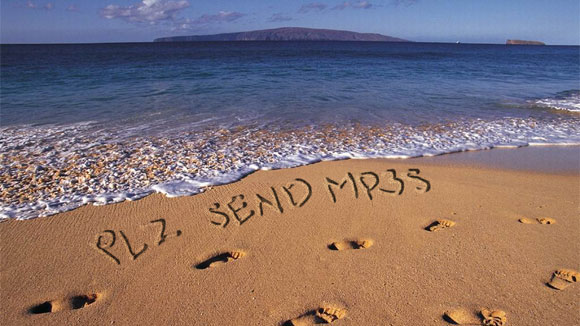
But the first sale doctrine, (relatively) straightforward in the physical world, has been complicated by the easy copyability of digital works, the rise of EULAs, and the use of DRM and activation systems. Did the Castaway decision also pave the way for you to sell your MP3s? And if not, what's the legal status of all that digital media the young people spend so much money on at iTunes and Amazon? Do they own it? Can they sell it? What about those Steam games? Can you resell that unopened copy of AutoCAD even though the EULA forbids it?



 Loading comments...