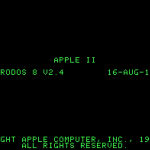
Limited to an anachronistic 1200 bits per second, it took several moments for the green-phosphor ASCII art to scroll from the bottom to the top of the screen. A login prompt and a blinking cursor invited me to continue deeper:
Enter GUEST for a quick look around.)

Enter your ID#, HANDLE, NEW or ‘?’:_
What would David Lightman think? I found myself at the guarded gates of an online community that had been disconnected for decades. This was mid-2016, but for all intents and purposes, it might as well have been 1986.
Today, many can be forgiven for thinking that the digital communications revolution kicked off during the mid-1990s, when there was simply an explosion of media and consumer interest in the World Wide Web. Just a decade earlier, however, the future was now for the hundreds of thousands of users already using home computers to communicate with others over the telephone network. The online culture of the 1980s was defined by the pervasiveness of bulletin board systems (BBS), expensive telephone bills, and the dulcet tones of a 1200 baud connection (or 2400, if you were very lucky). While many Ars readers certainly recall bulletin board systems with pixelated reverence, just as many are likely left scratching their heads in confusion (“what exactly is a BBS, anyway?”).
It’s a good thing, then, that a dedicated number of vintage computing hobbyists are resurrecting these digital communities that were once thought lost to time. With some bulletin board systems being rebooted from long-forgotten floppy disks and with some still running on original 8-bit hardware, the current efforts of these seasoned sysops (that is, system administrators) provide a very literal glimpse into the state of online affairs from more than three decades ago. And while services such as the Internet Archive are an excellent resource for studying the growth of the World Wide Web as it’s frozen in time, these hobbyists are opening portals today for modern users to go places that have been long forgotten.




 Loading comments...