Compared to other advanced countries, high-speed Internet access in the US is in notoriously sorry shape, with high bills and low customer satisfaction. Even as commercials exhort customers to download music and stream movies, most ISPs are implementing data caps. Netflix and other movie-on-demand services are among the most popular online destinations, accounting for almost 30 percent of peak-time Internet traffic in North America, but using Netflix every night can bump a customer right up against their ISP’s download cap.
Hosting your own game or Web server can also run afoul of ISP restrictions, either because ISPs block the ports you want to use or because running servers on a home connection violates the ISP’s terms of service.
And computers and portable devices with ridiculous amounts of storage and processing power mean that everyone is creating content to share, but tiny upload pipes make that sharing unreasonably difficult.
But there is another way—a way to get vastly improved customer service experience and a connection free of caps and other restrictions. It simply requires that you participate in that grand old American tradition: voting with your wallet.
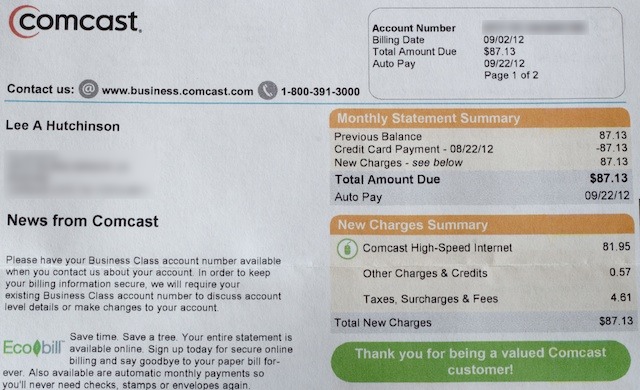
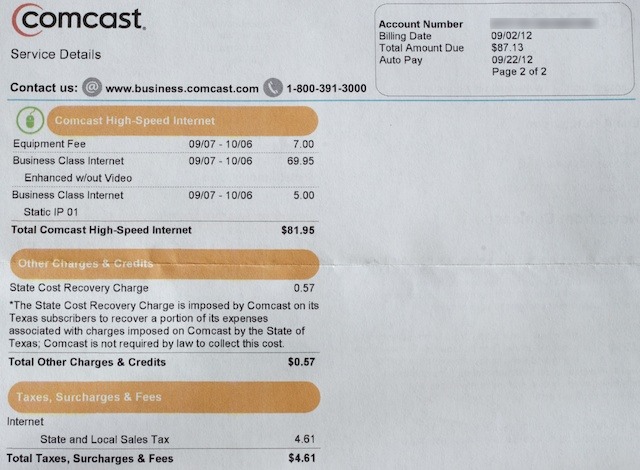
Most ISPs offer several grades of “business-class” Internet connections, intended for use by companies large and small. The prices can spiral up into thousands and tens of thousands of dollars per month for large businesses, but ISPs typically have offerings for small companies that don’t cost much more than standard consumer Internet connections. They come with some additional benefits that might be of particular interest to the rabid Netflix watcher or the would-be home server admin, and nothing prevents ordinary folks from signing up. But is business-class Internet worth the money? That all depends on what kind of user you are. For me, it’s essential.
The bennies
Let’s run through the main features found in business class connections as compared to consumer connections.

 Loading comments...