Google’s Android keynote this morning was packed with announcements, most prominent among them the introduction of Jelly Bean, the next version of the Android mobile operating system. While it looks to be a solid update to last year’s Ice Cream Sandwich, there’s a big question that always looms large over the announcement of any new Android version: these features look nice and all, but will my device ever be upgraded?
At last year’s Google I/O, the company announced the Android Update Alliance, an initiative through which Google would work with its partners to ensure that Android phones and tablets would receive updates for at least 18 months after their introduction. This much-ballyhooed announcement wouldn’t have done much about the extreme diversity of hardware in the Android ecosystem, but it would have helped reduce the growing software fragmentation issues that the platform was facing.
There was just one problem: the Android Update Alliance hasn’t really been mentioned since, including in today’s keynote.
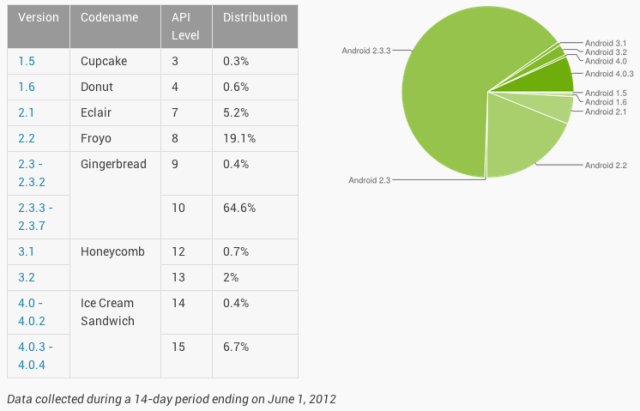
While recent Nexus-branded phones and other Android reference devices like the Motorola Xoom tablet are likely to get Jelly Bean upgrades sooner rather than later (the updates will start rolling out in July), another, much larger group of devices is still waiting on Ice Cream Sandwich updates that have been trickling out since that version’s introduction in October of 2011. This is a problem for any user who wants the latest features on their phone and any software developer who wants to leverage the latest tools and APIs.
It would be easy to blame Google for dropping the ball here, but the worst of the problems can’t really be laid at its feet—Ice Cream Sandwich’s code has been available to one and all for over eight months now, and the open-source community (primarily led by the Cyanogenmod team) has had no problem producing builds that run acceptably well on many devices, including some hardware that was never designed to run Android in the first place.

 Loading comments...