The HTC Radar on T-Mobile is an entry-level Windows Phone handset that doesn’t sound so great on paper, with middling internals and battery life, but its performance is better than mere numbers would suggest. While it has some concrete drawbacks, it strikes us as a decent little phone in the $99-with-contract bracket.
The Radar feels solid, even a little chunky, though at 10.8 millimeters it’s only slightly thicker than the iPhone 4S (which itself isn’t nearly the thinnest phone out there). But the front of the Radar curves into the back in such a way that I love holding it. The way I feel holding this phone is probably the way I should feel holding a human infant.
This may be because in recent weeks my hands have mostly embraced the rectangular iPhone 4S, but I enjoy holding the Radar more than any phone I’ve handled recently. While this might seem an odd “feature” to rave about, I submit that there are few, if any, things you will spend more time doing with a smartphone than holding it. Even better, the haptic feedback makes a solid thrum, pitched low enough that you can feel individual vibrations.
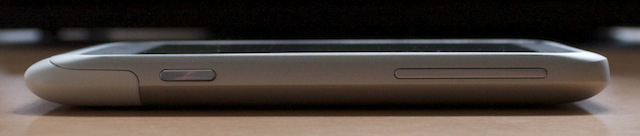
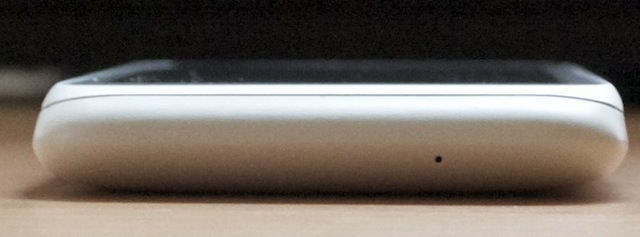
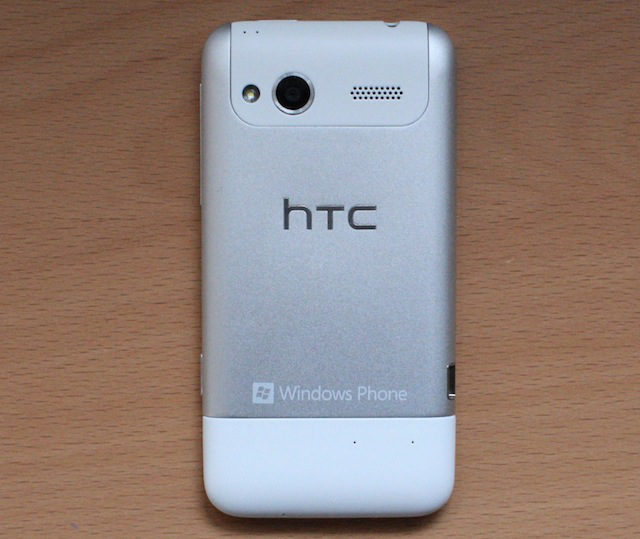
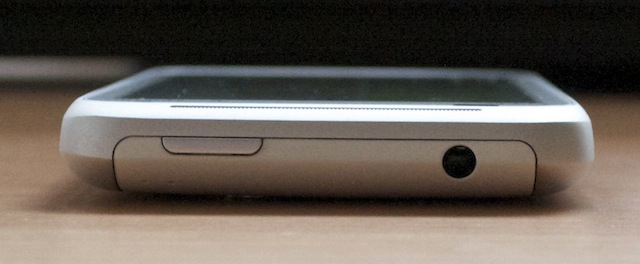
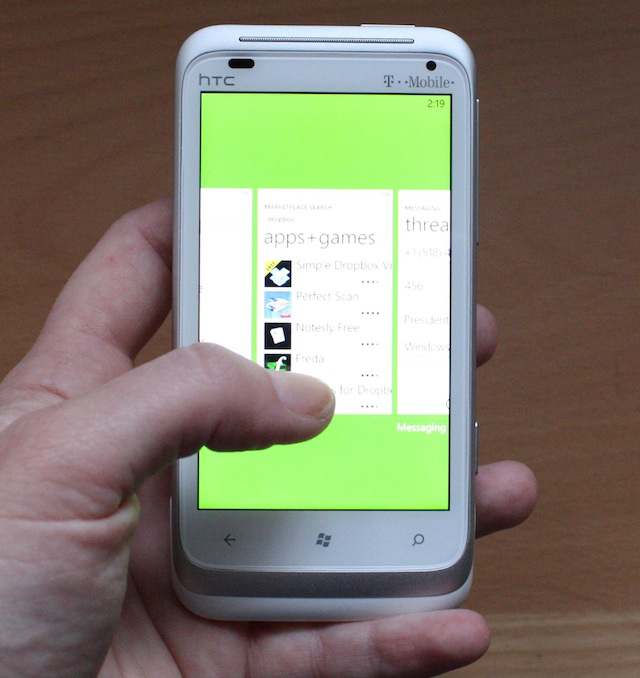
The Radar has a sleep button on the top right, a headphone jack on the opposite side, a volume rocker and camera button on the right side, and a microUSB port for charging on the left. The volume and sleep buttons are so low profile that they have virtually no tactile feedback, so it’s hard to know whether your presses are registering. The camera button, on the other hand, has two levels of click, one that focuses the camera’s lens and another that takes a picture. There are three soft key Windows Phone buttons along the bottom of the screen (Search, Home, Back), and a charging indicator light is embedded in the speaker along the top of the screen.





 Loading comments...