Update: As expected, Apple announced Swift 2 today, and it has announced that it will make the language open-source. Read more about Swift 2 on Apple’s developer site.
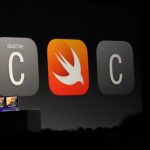
Original story: Apple first announced the Swift programming language at WWDC 2014, albeit in beta form. It was released alongside an extensive iBooks manual, and it was later discovered that Apple coded the WWDC app for that year’s conference in Swift without telling anyone. Sneaky.
Swift 1.0, the first non-beta version of the language, was released in September alongside iOS 8.0. Version 1.1 arrived a month later with OS X Yosemite, and version 1.2 came out in February. Each of these language tweaks was accompanied by an update for Xcode, and Apple has been working to improve the general speed and stability of Swift and Xcode itself throughout it all.
Now that the language has been around in one form or another for about a year, we checked in with a wide swath of iOS and OS X developers to see just how things were progressing. Are there any other things about Swift that haven’t quite caught up to Objective-C? Are Apple’s promised improvements panning out? And what kind of things do developers want for future versions of Swift?
Most developers are on board
Developers have been quick to pick up on Swift, as pointed out extensively in a Bloomberg piece yesterday. In January of this year, analysis firm RedMonk found Swift to be the 27th-most-popular programming language (JavaScript is number one, Objective-C is 10th), calling its growth “essentially unprecedented.”
A survey of 26,086 developers at Stack Overflow found Swift to be the top language on its “most loved” list—developers programming with Swift intend to continue programming with it. It was also ninth on the “most wanted” list, which polled developers about the languages they weren’t using but were interested in learning about.






 Loading comments...